Your Neighbor's Lawn Doesn'tLook Like That BecauseHe Spent More.It Looks Like That BecauseHe Knows Six Things You Don't.
Grass type. Mowing height. Watering depth. Weed ID. Application timing. The one-third rule. Get those six right in your first week, and the lawn you've been buying $40 bags to fix starts fixing itself.
Skip the $1,400-a-year service contract.
Do what the service crews actually do — in 30 days, in plain English, one job per day.
WORKS ON YOUR GRASS, WHEREVER YOU LIVE
Whether you're in Texas or Minnesota, Florida or Oregon — the plan adjusts to what your lawn actually needs right now. You don't have to know what kind of grass you have. Day 1 walks you through identifying it in about ten minutes. From there, the book gives you the exact 30-day plan for your situation.

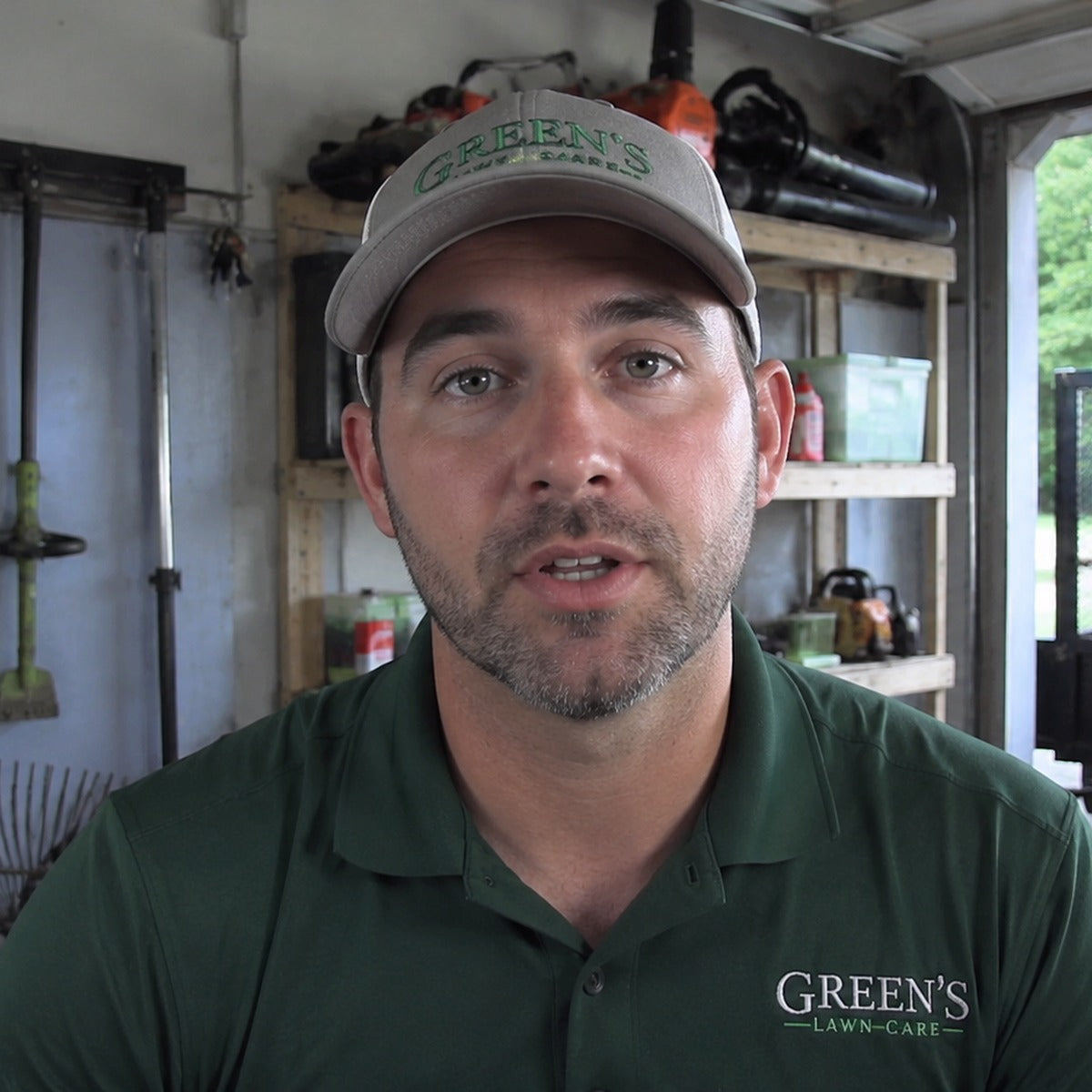
You're Not Paying For Grass. You're Paying For Someone Else To Know Which Bag To Buy.
The most powerful part of this book is not the fertilizer. It is the moment you see the service math. The truck, the call center, the route, the front-of-bag markup — that is what turns ordinary lawn inputs into a recurring annual bill.
Fix Your Lawn in 30 Days shows the homeowner version of the same logic: what to apply, when to apply it, what to skip, and when hiring actually makes sense.
Example math for comparison only. Your lawn size, local pricing, service quote, products, and legal label requirements may differ.
“The TruGreen math chapter is genuinely the angriest I've been at a company in years. They had me on a $1,287 annual contract. Seven visits. I added up what they were actually putting down based on the application slips and it came to maybe $190 of product if I bought it retail. I cancelled before the spring renewal. The DIY shopping list in the back told me exactly what to order from Site One and DoMyOwn. First-year savings, I'm tracking roughly $1,050. Book paid for itself thirty times over before I'd even finished it.”
The plan I wish someone handed me before I wasted years buying the wrong bags.
One Saturday in year three, I was standing in my garage with two open fertilizer bags, a half-brown front strip outside, and another Lowe's receipt on the workbench. I finally read the analysis on the back of the bag and realized I had been treating the lawn like a generic green carpet instead of a specific grass growing in a specific soil.
That was the turn. I spent years rebuilding the yard after I finally learned what was in those bags, what the service crews were actually doing on those 12-minute visits, and which jobs a normal homeowner could do without paying a recurring contract.
This book is the 30-day version of what took me a decade to figure out: identify the grass, test the soil, set the mower, water correctly, treat the right weeds, and stop letting the lawn aisle make the plan for you.
It is not written like a textbook. It is written like a Saturday morning checklist for the homeowner who wants the yard to finally stop embarrassing him.
The front yard is the most public thing you own. And right now it feels like it is judging you.
- ×You spent hundreds at Lowe's or Home Depot on bags you barely understood, then watched the brown patch by the driveway come back anyway.
- ×Your neighbor's lawn looks like a golf course and nobody has explained why yours keeps looking thin, yellow, weedy, or tired.
- ×You got quoted a recurring lawn service contract, but the tech still did not tell you exactly what your grass needs and when.
- ×Your spouse keeps mentioning the yard, the mower comes out every weekend, and the lawn still never becomes the one you pictured.
- ×You spray weeds without knowing whether you are fighting broadleaf weeds, grassy weeds, or sedge — and the wrong product does nothing.
The enemy is not laziness.
It is buying by brand instead of diagnosis — then letting the lawn aisle decide the plan for you.
- Grass type first.
- Soil test before feeding.
- Weed ID before spraying.
- Timing before spending.
“I bought it because my neighbor Steve has the kind of lawn that makes me park on the other side of the driveway out of embarrassment. I'm 51, I've been ‘trying’ with my lawn for nine years, and I had no idea I was overseeding cool-season grass into a yard that was 70% Bermuda. Day 1 saved me from another spring of doing the exact opposite of what my lawn needs. I'm a month in and the back is still rough but the front strip looks like a different house.”
Week One — The Foundation
The first seven days stop the guessing. Before you buy another bag, the book walks you through the seven decisions that determine whether the rest of the month works.
The lawn that looks expensive usually starts with boring basics.
Sharp blade. Correct height. Deep watering. Correct timing. The one-third rule. Those are not glamorous, but they are the reason the same grass can look completely different across the street.
Two lawns on the same street can need opposite plans.
That is why the book splits after Foundation Week. Warm-season grass gets one track. Cool-season grass gets another. The lawn aisle usually does not make that difference obvious. This book does.
Bermuda, zoysia, St. Augustine, centipede, bahia
What the lawn aisle tells you
- Buy the greenest bag on the shelf.
- Feed by calendar.
- Spray anything that looks like a weed.
- Patch bare spots randomly.
What actually works
- Push growth during peak heat.
- Feed based on grass and soil.
- Separate broadleaf, crabgrass, goosegrass and sedge.
- Use plugs and sprigs when the soil is warm.
Fescue, bluegrass, fine fescue, perennial ryegrass
What the lawn aisle tells you
- Feed hard in summer.
- Cut short so it looks tidy.
- Seed whenever it looks thin.
- Treat heat stress like a fertilizer problem.
What actually works
- Survival mode during July and August.
- Mow higher to shade the soil.
- Use iron for color without pushing growth.
- Prepare for the late-August or September renovation window.
“Two specific things from the weed reconnaissance chapter. One: what I'd been calling ‘crabgrass’ for years was actually dallisgrass, which means every bottle of crabgrass killer I'd bought since 2021 was the wrong active ingredient. Two: the nutsedge in the back wasn't a weed I needed to spray, it was a drainage signal pointing me at the spot where my downspout had been quietly destroying a 30-foot strip of lawn for four years. Fixed the downspout. Sedge gone. No herbicide needed. I felt like an idiot and a genius at the same time.”
“Honestly, on Day 4 I thought I'd wasted my $32. The mowing-height chapter felt like something I already knew. Then I actually measured my current height and I'd been cutting fescue at 2 inches for six summers. Six summers. Raised it to 3.75, watered deeper twice a week instead of the daily sprinkler I'd been running, and by mid-July the dollar spot patches I'd had every August just… didn't show up. First summer in eight years I didn't have to call somebody.”
The calendar that keeps the yard from sliding backward.
Instant Digital Delivery
The complete PDF book is delivered after checkout. Read it on your phone, tablet or laptop — or keep the reference pages ready before you walk into the store, fill the sprayer, or set the mower.
“I'm 67, my husband passed three years ago, and the lawn was his thing — I had no idea where to even start. I needed a plan, not a YouTube rabbit hole. The 30-day sequence is what got me. One job a day, in order, with the reason explained. I did Foundation Week with my granddaughter helping me identify the grass (St. Augustine, turns out, not the centipede I'd been assuming for years). The yard isn't a showpiece yet but I edged it for the first time in my life last Sunday and I cried a little, honestly. Bill would have laughed at me.”
Verified reader reviews are included as provided for publication. Names, wording, and identifying details may be edited for privacy and clarity. Outcomes vary by grass type, soil, climate, water, weather, timing, product selection, label compliance, and correct application.
Everything You Need To Know Before You Order
Keep Letting The Lawn Aisle Decide —
Or Learn The Six Things Your Neighbor Already Knows.
Keep handing $1,200 a year to the company that will not even tell you which fertilizer they used on your lawn last week.
Keep buying bags, bottles and seasonal panic forever.
Use one clear homeowner plan. Identify the grass, test the soil, fix the mower, correct the water, treat the actual weeds, feed at the right time and build the yearly calendar.
Once you learn your lawn, nobody can sell you blind again.
By clicking you agree to our Terms of Service and Privacy Policy. This is educational lawn-care content. Always follow product labels, local regulations and safety instructions. By completing a purchase you consent to immediate delivery of digital content.